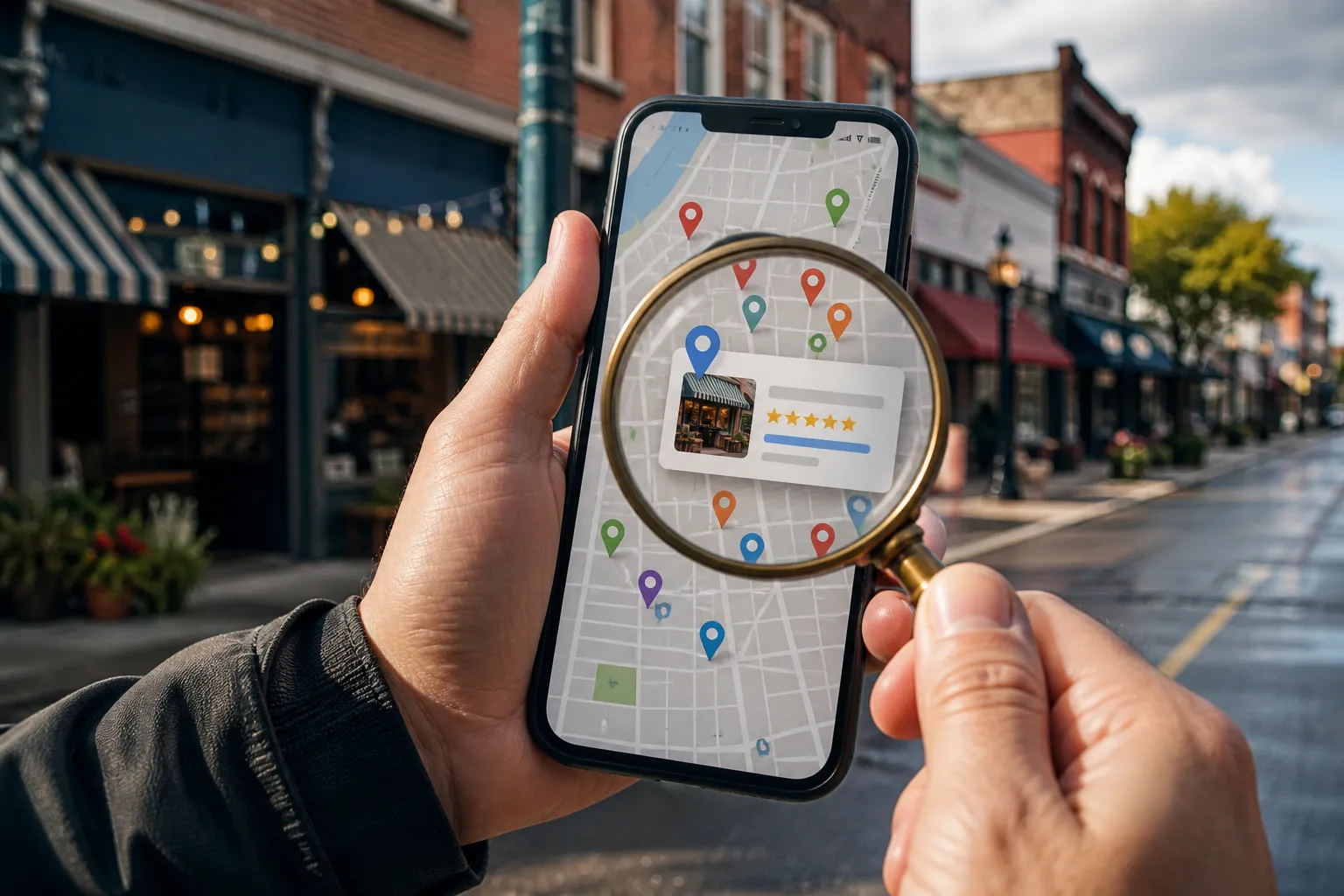
Your next customers are searching a few blocks away. The right local SEO tools help you show up in the map pack, keep listings clean, earn reviews and links, and tie all that to calls and direction requests. Here is what actually moves the needle in 2026 and how to pick a stack that you will use every week.
Google Business Profile: your non-negotiable core
If you only touch one thing, make it Google Business Profile. It drives map pack visibility, calls, messages, and direction requests. Treat it like a living storefront you update often.
- Categories: pick one precise primary and only relevant secondaries. If you change services seasonally, update secondaries with the calendar.
- Services and products: add line-item services with plain names customers search for. Use short, scannable descriptions and pricing if you can commit to it.
- Hours and attributes: keep holiday hours current. Add relevant attributes like wheelchair access or online appointments.
- Photos and video: upload fresh on-location photos every month. Show exterior, interior, staff at work, and results. Short vertical clips work well across surfaces. If you repurpose clips, use this guide on how to add subtitles to video online with auto captions for TikTok and YouTube so captions are readable and export cleanly.
- Posts: publish weekly with one clear offer or update. Use a photo, a direct CTA, and link with UTM parameters so you can trace clicks in Analytics.
- Q&A: seed 3–5 real questions and answer them in the same words customers use. Keep answers under 120 words and link to the relevant page on your site.
- Reviews: ask with a simple two-step flow right after service, then again 3–5 days later. Never incentivize. Reply using the product or service name when it is natural.
- Messaging: enable it if you can respond fast. Add quick replies for pricing, hours, and booking.
Do these first before you pay for any software. A tight profile paired with consistent NAP data carries more weight than another dashboard.
The local SEO stack that works in 2026
You do not need ten tools. You need one for tracking, one for listings and reviews, one for links and content gaps, and a way to publish useful content on a schedule. Here is what fits where.
BrightLocal: local rank tracking and audits that make sense
BrightLocal is built for local SERP clarity. Set up grid tracking around each location (start with a 3–5 mile radius, mobile results, and your top 20 keywords). The audit flags NAP conflicts, missing categories, and weak pages without burying you in noise.
- Pros: granular map and organic tracking by zip or grid; clear audit with prioritized fixes and citations; roll-up and white-label reporting clients actually read.
- Cons: listings and review add-ons raise costs; tasking is basic compared to full project tools.
- Best for: agencies and multi-location brands that want clean local tracking and reports without heavy setup.
Whitespark: citation discovery and reputation support
Whitespark’s Citation Finder surfaces high-quality, relevant directories by industry and city. The local link and mention finder helps you spot chambers, neighborhood associations, event sponsorships, and local media that competitors use.
- Pros: strong citation gap analysis; practical review request tools; useful lists for PR-style local mentions.
- Cons: utilitarian interface; not a full content or technical suite.
- Best for: consultants and small teams building citation coverage and steady review flow for SMBs.
Semrush Local: listings management tied to broader data
If you already live in Semrush for keyword and competitor work, the Local add-ons keep listings sync, review monitoring, and position tracking in one login. The benefit is seeing local movements next to your sitewide SEO and ad data.
- Pros: listings sync and review monitoring inside a familiar suite; ties local results to keyword and ad insights; solid competitor and SERP feature tracking.
- Cons: pricing stacks across modules; local workflows can feel secondary to the core suite.
- Best for: teams deep in Semrush that want local features without adding another platform.
Moz Local: set-and-refresh listings coverage
Moz Local focuses on clean NAP data across key directories and data partners. Use it to push correct info fast, suppress duplicates, and keep seasonal changes synced.
- Pros: quick cleanup for name, address, and phone inconsistencies; simple dashboard and alerts; dependable for routine updates.
- Cons: limited beyond listings and light review monitoring; no map grid tracking.
- Best for: SMBs that need reliable listings distribution without a full SEO suite.
Ahrefs: local link prospects and competitor gaps
Local growth still needs links and mentions. Use Link Intersect to find sites that link to your nearby competitors, and Content Gap to spot topics their service pages cover that yours do not. The site auditor helps catch broken links, thin pages, and redirect chains.
- Pros: excellent link data for local PR, sponsorships, and partnerships; strong competitor and topic analysis; helpful technical audit.
- Cons: not purpose-built for citations or map grids; can feel heavy if you only run a few reports.
- Best for: marketers who prioritize local link building and content depth alongside technical health.
When RankGoat makes more sense
Point tools track and tidy. RankGoat is for when you want an SEO automation system that plans, writes, publishes, and earns links on a schedule while fixing the indexing and technical issues that quietly cap growth.
- Automated publishing with a done-for-you blog writing service. Posts are planned in clusters around money pages with mapped keywords, internal paths, and entities. Example: for a roofer, a cluster on metal roofing covers costs, lifespan by climate, noise myths, and maintenance, each linking to the service page.
- On-page SEO and schema included. Titles, meta, headers, alt text, internal links, plus Article and FAQ schema ship with every post.
- Network dofollow backlinks to each post. Links are monitored daily; dropped or nofollowed links get replaced so authority does not decay.
- Indexing checks and fixes every week. Sitemaps, robots, canonicals, and Search Console statuses are validated so new pages get crawled and indexed instead of sitting in Discovered or Crawled but not indexed.
- Technical cleanup at the source. Orphan-page repair, soft 404 audits, duplicate content triage, and sane crawl, parameter, and pagination handling reduce waste.
- AI search optimization. RankGoat tracks AI answer visibility and applies Generative Engine Optimization and on-page tweaks to improve inclusion.
- Multilingual localization. It writes natively and localizes posts into selected languages with hreflang so you can serve international neighborhoods.
If you are comparing a backlink vendor and a content freelancer, account for the time to brief, edit, pitch, chase links, and check indexation. RankGoat bundles content, links, and technical fixes into one workflow and keeps publishing on a steady cadence.
Rollout and measurement: a 90-day plan
- Week 0: baseline. Export top queries and pages from Search Console, pull GBP Insights (calls, messages, direction requests, discovery vs direct), and screenshot current map grid ranks for your 10–20 core keywords.
- Weeks 1–2: foundation. Clean NAP across listings, lock your primary and secondary categories, publish or update 2–3 core service pages with clear CTAs, and get weekly Posts live in GBP. Turn on review requests at the point of service and set a simple two-touch ask.
- Weeks 2–4: publish and interlink. Ship the first content cluster (4–6 posts) tied to one service page. Each post should internally link to the service page and to two other related posts. Add one local example or case per post.
- Weeks 3–6: links and mentions. Pitch two local sponsorships or features (chamber spotlight, neighborhood newsletter, charity 5K, school team, or local podcast). Submit accurate listings to the 10–15 highest-value directories you are missing.
- Weeks 5–8: index and fix. Check new URLs in Search Console, address non-indexed pages, consolidate duplicates, and repair soft 404s. Keep GBP Posts weekly and reply to every new review within 48 hours.
- Weeks 8–12: refine and expand. Publish the second cluster aimed at a different service. Add a short video to GBP and key posts. Track call volume, direction requests, and grid coverage against baseline. Adjust internal links from older posts to the new cluster.
By day 90 you want fewer non-indexed pages, tighter internal links to your money pages, better average position in the closest grid tiles, and a steady rise in calls or messages. Keep going with one cluster per month and a small batch of local links.
Key takeaways
- Start with Google Business Profile. Keep categories, services, posts, photos, and Q&A fresh, and tag links so you can measure impact.
- Pick a lean stack: one tracker, one listings tool, one link and content intel source, plus a content engine you will actually use.
- Growth comes from content, links, and clean indexation, not more dashboards. Fix crawl and index issues before you buy another report.
- RankGoat combines publishing, dofollow backlinks, AI answer visibility work, and technical fixes so pages can rank and show up in AI answers.
- Run a 90-day plan with clear baselines, weekly publishing, local links, and routine index checks. Review results, then scale what works.