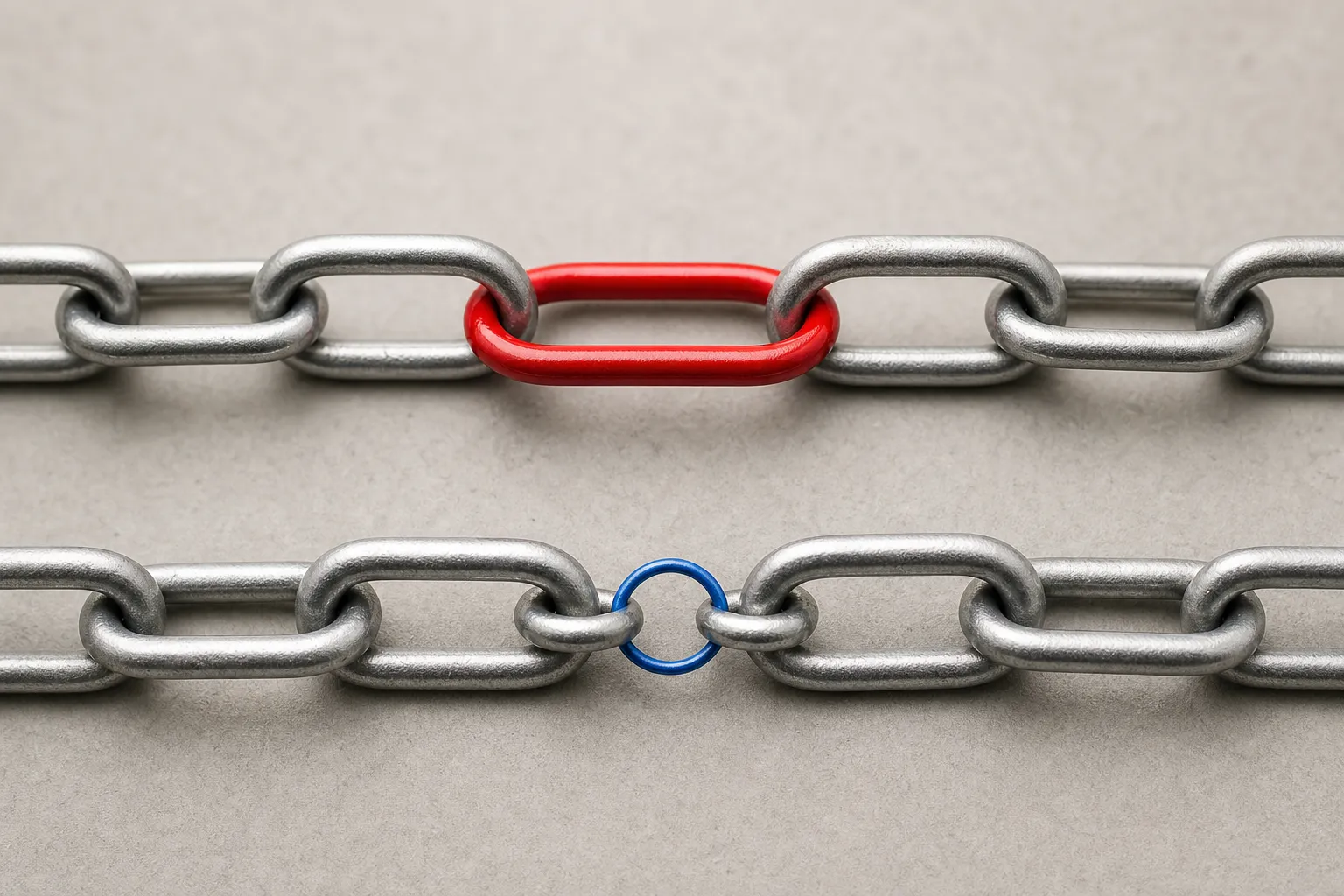
Backlinks still move rankings, but not every link should pass authority. Choosing dofollow or nofollow shapes how Google and AI systems read your intent, how equity flows, and how much risk you take on. Here is a clear way to pick the right attribute in real scenarios and build a profile that grows rankings without drama.
Dofollow vs nofollow, in one minute
- Signal: A dofollow link is the default. No rel attribute means you endorse the destination. Nofollow says you are not giving an editorial vote.
- Ranking impact: Dofollow can pass PageRank and help rankings. Nofollow is treated as a hint for crawling and discovery and often does not pass PageRank.
- Compliance: Paid or compensated links use rel="sponsored". User-submitted links use rel="ugc". You can combine attributes, like rel="ugc nofollow".
- Risk: Too many manipulative dofollow links, sitewide widgets, or paid links without sponsored can trigger spam systems or manual actions. Nofollow and sponsored reduce that risk.
- AI impact: Dofollow links from credible, relevant pages strengthen topical authority that feeds AI summaries. Nofollow can still drive referral traffic and brand searches that support visibility.
Dofollow done right: what it signals and how to place it
A dofollow link tells search engines you stand behind the page you link to. That vote is strongest when it appears in the main body of a page that is crawlable, indexed, and topically relevant. It is weaker when tucked in a footer, boilerplate, or a template that repeats across hundreds of URLs.
Use dofollow when the link improves the reader’s task and you would defend the link to a human reviewer. Strong examples:
- Editorial citations: You write a how-to and cite a detailed study, spec sheet, or original research. Use descriptive anchors like "study of 1,247 stores" or "API rate limit specs" instead of generic "click here."
- Partners and suppliers: You publish a partner page for your integration catalog or suppliers. A single contextual mention per partner, not a block of identical anchors, is best.
- Case studies and references: You reference a co-authored report or a partner’s documentation that your customers need to complete a task.
Placement and context matter more than raw counts. A single in-paragraph link from a relevant article beats dozens of sidebar or directory links. Keep anchors natural, usually 2 to 6 words, and avoid repeating the exact same commercial phrase across many referring pages. If a link exists only for search engines and not for users, it is a red flag for dofollow.
Technical details count too. Make sure the linking page is indexable, the link is not blocked by JavaScript that hides the rel attribute, and the link points to the canonical URL. If you use parameters or tracking, confirm the canonical resolves to your primary page so equity is not split.
Use nofollow, sponsored, and ugc without second-guessing
Nofollow tells search engines not to treat the link as your editorial endorsement. Two related attributes provide more clarity:
- rel="sponsored": Use for ads, sponsorships, paid placements, or affiliate links where any value exchanges hands.
- rel="ugc": Use for user-generated content like comments, forum posts, profiles, and community boards.
You can combine attributes when it fits the context, such as rel="ugc nofollow" on a community comment you do not fully moderate.
Common scenarios and the right call
- Advertising and affiliates: Mark as sponsored. If your platform cannot add sponsored, use nofollow as a safety net. Keep anchors descriptive, not promotional taglines.
- User-generated content: Comments, community profiles, and forums belong under ugc. Add nofollow if you do not review every link before it goes live.
- Widgets and embeds: Badges and widgets should use nofollow by default to avoid manipulative patterns, especially if they appear sitewide.
- Unvetted mentions: If you reference a tool or event you have not evaluated, use nofollow to keep your editorial signal clean.
- Internal links: Nofollow on internal navigation is rarely useful. If you need to control crawling, prefer robots.txt, meta robots, or proper canonicals over sprinkling nofollow internally.
Nofollowed links still have value. They drive qualified referral traffic, help users complete tasks, and create brand familiarity. Those interactions lift branded searches, dwell time, and return visits. Together, these signals correlate with stronger inclusion in AI summaries and shopping units, even when the specific link is nofollowed.
A practical example: if you publish customer voices on a testimonials page powered by Proofling, you might mark outbound links to customer sites as ugc or nofollow by default, then upgrade select ones to dofollow after you vet the destination and want to endorse it.
How AI and modern search treat link signals
Search today blends classic link signals with entity understanding and content quality. Here is how link types fit in:
- Topical authority: Dofollow links from pages that share your topic and audience help establish your site as an entity experts cite. This matters when AI systems pick sources for summaries.
- Evidence and clarity: Clear anchors, unambiguous page titles, and structured data make it easier for systems to extract claims and match them to entities.
- Discovery and freshness: Nofollow links can still help with discovery. If fresh pages get clicks and mentions, they are more likely to be crawled and evaluated.
- Risk controls: Sponsored and ugc attributes act as safety rails. They tell systems which links are endorsements and which are not, which prevents mixed signals.
If you practice Generative Engine Optimization, think beyond raw link counts. Cover entities thoroughly, use precise headings, include quotes and data that invite citations, and keep your site technically clean so your most helpful pages are the ones that get crawled, rendered, and chosen.
Operational playbook: build a healthy mix at scale
You can decide link by link. Or you can set rules and automate the busywork. An SEO automation tool like RankGoat plans topics in clusters around revenue pages with mapped keywords, internal link paths, and entity coverage, then writes and auto-publishes helpful posts on a steady cadence. Posts ship with titles, meta tags, headers, alt text, internal links, and Article and FAQ schema so each piece is publish-ready.
For authority, each post receives a contextual dofollow backlink from a vetted member site using non-reciprocal placements. Daily link monitoring checks partners and automatically reroutes or replaces if a link is dropped or nofollowed. That is the difference between building links once and running a program where links stick.
Technical friction blocks authority. Orphan-page repair, soft 404 audits, duplicate content triage, and advanced crawl, parameter, and pagination handling keep link equity findable. Weekly indexation checks validate sitemaps, robots, and canonicals based on Search Console statuses so new pages get indexed instead of sitting invisible.
AI is built in. RankGoat tracks AI search visibility and applies on-page tweaks and GEO techniques that improve inclusion in AI answers. If you sell across markets, multilingual localization detects your site’s language, writes natively, and localizes posts into selected languages with hreflang so your earned links support the right locale.
If you are weighing cadence and scope, compare plans and RankGoat pricing to match your publishing volume and link needs. You can also kick the tires with free tools like the Domain Rating Checker, SEO Checker, Sitemap Checker, and SERP Snippet Preview while you plan.
Verdict: quick decisions you can trust
Use dofollow when you endorse the destination and want to transfer authority. Use nofollow, sponsored, or ugc when you do not vouch for the target, the link is paid, or the link is user-supplied. Both belong in a healthy profile. When in doubt, default to safety and upgrade after review.
- Pick dofollow for vetted editorial citations, partner pages, and resources your audience should trust.
- Pick sponsored for ads and affiliate links. Add nofollow if your stack cannot add sponsored.
- Pick ugc for comments and community content. Add nofollow by default unless reviewed.
- Mix thoughtfully. Aim for relevance, clarity, and user value first. The right attribute follows naturally from context.
Key takeaways
- Dofollow signals endorsement and can pass PageRank. Nofollow, sponsored, and ugc protect you from risky or non-editorial placements.
- Decide by scenario: paid uses sponsored, user content uses ugc, unvetted mentions use nofollow, true editorial endorsements use dofollow.
- AI visibility grows with topical authority, precise anchors, clean schema, and solid technical hygiene, not just more links.
- Systematize with planning, on-page quality, technical cleanup, and monitored dofollow backlinks so gains compound over time.